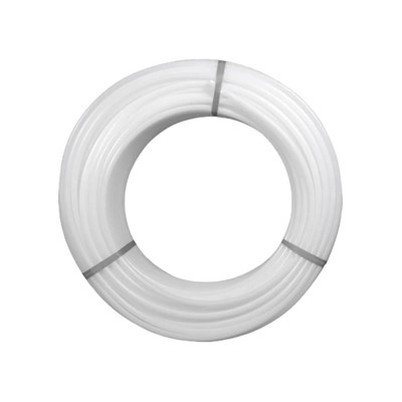
How does PERT Tube perform in cold weather?
Leave a message

Hey there! As a PERT Tube supplier, I often get asked about how our PERT Tubes perform in cold weather. Well, let's dive right into it and explore this topic in detail.
First off, what the heck is PERT Tube? PERT, which stands for Polyethylene Raised Temperature, is a type of plastic tubing that's widely used in various plumbing and heating systems. PERT Tube has gained popularity because of its flexibility, durability, and resistance to corrosion. But how does it hold up when the mercury drops?
Material Properties and Cold Weather Resistance
PERT Tube is made from a special type of polyethylene that has been modified to handle higher temperatures. This modification also gives it some pretty impressive cold - weather performance. The molecular structure of PERT allows it to remain flexible even in cold conditions. Unlike some other types of pipes that can become brittle and crack when it gets cold, PERT Tube can bend and flex without breaking.

One of the key factors in its cold - weather performance is its low glass transition temperature. The glass transition temperature is the point at which a material changes from a hard, glassy state to a more flexible, rubbery state. For PERT Tube, this temperature is quite low, meaning it can stay flexible in cold environments. This is crucial because if a pipe becomes too rigid, it's more likely to crack under pressure, like when water inside freezes and expands.

Thermal Conductivity
Another important aspect to consider is thermal conductivity. In cold weather, you don't want your pipes to lose too much heat, especially if they're carrying hot water for heating systems. PERT Tube has relatively low thermal conductivity, which means it can help retain heat better than some other materials. This is great for keeping your hot water hot and reducing energy consumption.

Let's say you have a floor heating system using PERT Tubes. In cold weather, the low thermal conductivity of the tubes helps to keep the heat in the water as it circulates through the system. This means your heating system can work more efficiently, saving you money on energy bills.

Installation in Cold Weather
Installing PERT Tube in cold weather is also a topic that comes up a lot. The good news is that PERT Tube is relatively easy to install even when it's cold outside. Its flexibility makes it easier to bend and shape around corners and obstacles, compared to more rigid pipes.
However, there are a few things to keep in mind. When the temperature is extremely low, the tube might be a bit stiffer than usual. It's a good idea to warm up the tube slightly before installation if possible. You can do this by bringing the tubes indoors for a few hours or using a heat gun carefully. This will make the tube more pliable and easier to work with.
Freeze Resistance
Now, let's talk about freeze resistance. One of the biggest concerns in cold weather is the potential for water inside the pipes to freeze and cause damage. PERT Tube has some natural freeze - resistant properties. As mentioned earlier, its flexibility allows it to expand slightly when water inside freezes, reducing the risk of cracking.
But it's not completely immune to freezing. If the temperature drops low enough and the water in the pipes freezes for an extended period, there's still a risk of damage. To prevent this, it's important to take some precautions. For example, you can insulate the pipes with appropriate insulation materials. This will help keep the temperature of the water inside the pipes above freezing point.
Long - Term Performance in Cold Climates
Over the long term, PERT Tube can perform really well in cold climates. Its resistance to corrosion means that it won't rust or deteriorate over time due to exposure to cold and moisture. This is a big advantage compared to metal pipes, which can corrode and develop leaks in cold, wet conditions.
The flexibility of PERT Tube also helps it withstand the expansion and contraction that occurs with temperature changes. In cold weather, the ground can freeze and shift, putting stress on underground pipes. PERT Tube's ability to flex and move with these changes reduces the risk of damage.
Case Studies and Real - World Examples
I've seen many real - world examples of PERT Tube performing well in cold weather. In a small town in the mountains, a new housing development used PERT Tubes for their plumbing and heating systems. During a particularly harsh winter, with temperatures dropping well below freezing, the PERT Tubes held up great. There were no reports of leaks or cracks, and the heating systems continued to work efficiently.
Another example is a commercial building in a cold northern city. They switched from traditional metal pipes to PERT Tubes for their hot water distribution system. After the first winter, they noticed a significant reduction in energy consumption and no issues with the pipes due to the cold weather.
Comparison with Other Pipe Materials
When compared to other pipe materials like copper or PVC, PERT Tube has some clear advantages in cold weather. Copper pipes can be expensive and are more prone to freezing and bursting in cold conditions. PVC pipes, on the other hand, can become brittle in cold weather and are more likely to crack.
PERT Tube offers a good balance of cost - effectiveness, flexibility, and cold - weather performance. It's a great choice for both residential and commercial applications in cold climates.
Conclusion and Call to Action
So, to sum it up, PERT Tube performs really well in cold weather. Its flexibility, low thermal conductivity, freeze resistance, and long - term durability make it a top choice for plumbing and heating systems in cold climates.
If you're in the market for high - quality PERT Tubes that can stand up to the cold, I'd love to chat with you. Whether you're a contractor working on a new building project or a homeowner looking to upgrade your plumbing, we have the right PERT Tubes for you. Reach out to us to discuss your needs and get a quote. We're here to help you make the best choice for your project.
References
- ASTM International. (Year). Standard Specification for Crosslinked Polyethylene (PEX) Tubing. ASTM F876.
- ASME. (Year). Boiler and Pressure Vessel Code. Section IX - Welding and Brazing Qualifications.