Can PERT tubing be used in automotive applications?
Leave a message

Hey there! As a PERT tubing supplier, I often get asked if PERT tubing can be used in automotive applications. Well, let's dive right into this topic and find out.
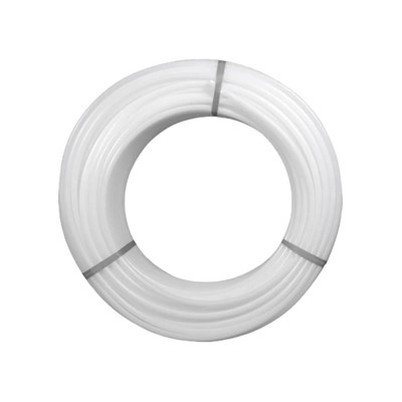
First off, let's talk a bit about what PERT tubing is. PERT, or Polyethylene of Raised Temperature resistance, is a type of plastic tubing known for its excellent flexibility, durability, and resistance to high - temperature environments. You can check out more details about PERT Tube.
Advantages of PERT Tubing for Automotive Use
One of the big pluses of PERT tubing in automotive applications is its flexibility. In a car, there are all sorts of tight spaces and complex routing requirements for fluid lines. PERT tubing can be bent and shaped easily without kinking. This means it can be installed in those hard - to - reach areas without much hassle.
For example, in the engine compartment, where there are a lot of components packed closely together, flexible tubing like PERT can be routed around engine parts, radiators, and other equipment. It can follow the natural contours of the engine bay, making the installation process more efficient.
Another advantage is its chemical resistance. Cars use a variety of fluids, such as coolant, brake fluid, and fuel additives. PERT tubing can withstand exposure to many of these chemicals without degrading. Coolant, which is a mixture of water and antifreeze, often contains additives that can be corrosive to some materials. But PERT tubing has good resistance to these substances, ensuring a longer lifespan for the tubing in the cooling system.
In terms of temperature resistance, PERT tubing can handle a wide range of temperatures. In an automotive environment, the engine can get extremely hot, and the coolant system needs to be able to operate under high - temperature conditions. PERT tubing can maintain its structural integrity at elevated temperatures, preventing leaks and ensuring the proper functioning of the cooling system. On the other hand, it also performs well in cold weather. When the car is parked outside in freezing temperatures, the tubing doesn't become brittle and crack easily.
Challenges of Using PERT Tubing in Automotive Applications
However, it's not all sunshine and rainbows. There are some challenges when it comes to using PERT tubing in automotive applications.
One of the main concerns is the pressure rating. Automotive systems, especially the fuel and brake systems, operate under high pressure. PERT tubing may not have the same high - pressure resistance as some metal or high - performance rubber tubing. For instance, in a high - performance sports car, the fuel injection system may require tubing that can withstand very high pressures to ensure proper fuel delivery. If the PERT tubing isn't rated for these pressures, it could burst, leading to a dangerous situation.
Another issue is compatibility with certain automotive fluids. While PERT tubing is resistant to many common automotive chemicals, there are some specialized fluids or additives that could potentially cause problems. For example, some high - performance fuel additives may have chemical properties that could interact with the PERT material over time, causing swelling or degradation of the tubing.
Specific Automotive Applications Where PERT Tubing Can Be Used
Despite the challenges, there are several automotive applications where PERT tubing can be a great choice.
Cooling System
The engine cooling system is one area where PERT tubing can shine. As mentioned earlier, its flexibility allows for easy routing around the engine, and its temperature and chemical resistance make it suitable for carrying coolant. It can connect the radiator to the engine block, the water pump, and other components in the cooling circuit. This helps to keep the engine at the optimal operating temperature, preventing overheating and potential engine damage.
Interior Fluid Lines
In the car's interior, PERT tubing can be used for things like windshield washer fluid lines. These lines don't need to withstand extremely high pressures or harsh chemicals. The flexibility of PERT tubing makes it easy to install within the dashboard and other interior components. It can also be cut to the appropriate length and connected easily, providing a reliable solution for delivering washer fluid to the windshield nozzles.
Low - Pressure Air Lines
Some automotive systems use low - pressure air lines, such as the ventilation system in the cabin or the air intake system for some auxiliary components. PERT tubing can be used in these applications because it can handle the relatively low pressures involved. Its flexibility allows for easy installation in the complex air duct systems within the car.
Case Studies and Real - World Examples
Let's take a look at a couple of real - world examples of PERT tubing being used in automotive applications.
A small - scale automotive manufacturer decided to use PERT tubing in the cooling systems of their economy cars. They found that the tubing's flexibility reduced the installation time significantly. Since they were producing a large number of cars, this time savings translated into cost savings. The chemical and temperature resistance of the PERT tubing also meant that there were fewer warranty claims related to cooling system failures.
In a custom - built electric vehicle, the designers used PERT tubing for the coolant lines in the battery cooling system. The tubing's ability to handle the relatively high temperatures generated by the batteries, along with its flexibility for routing around the battery pack, made it an ideal choice. This helped to ensure the proper operation and longevity of the battery system.
How to Ensure Successful Use of PERT Tubing in Automotive Applications
If you're considering using PERT tubing in automotive applications, there are a few things you need to keep in mind.
First, make sure to select the right type of PERT tubing with the appropriate pressure and temperature ratings for your specific application. Consult with the tubing supplier (like me!) to understand the technical specifications and choose the tubing that meets your requirements.
Second, test the tubing with the specific automotive fluids you'll be using. Conduct compatibility tests to ensure that there won't be any chemical reactions that could damage the tubing over time.
Finally, follow proper installation procedures. Make sure the tubing is cut cleanly, and the connections are secure. Use appropriate fittings and clamps to prevent leaks.
Conclusion
So, can PERT tubing be used in automotive applications? The answer is yes, but with some considerations. It has many advantages like flexibility, chemical and temperature resistance, which make it suitable for certain automotive systems such as the cooling system, interior fluid lines, and low - pressure air lines. However, it also has some limitations, especially when it comes to high - pressure applications.


If you're in the automotive industry and are interested in using PERT tubing for your projects, I'd love to have a chat with you. We can discuss your specific needs and figure out if PERT tubing is the right fit for you. Contact me to start the procurement discussion and find the best PERT tubing solutions for your automotive applications.
References
- "Automotive Fluid Systems Handbook"
- Technical data sheets from PERT tubing manufacturers.