Can PERT Pipe be used in agricultural irrigation systems?
Leave a message

Hey there! As a PERT Pipe supplier, I often get asked if PERT pipes can be used in agricultural irrigation systems. Well, let's dive right into this topic and find out!
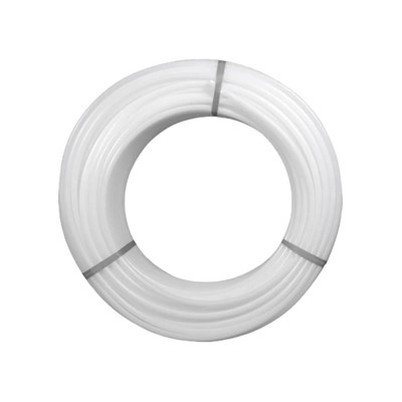
First off, let's talk about what PERT pipes are. PERT stands for Polyethylene Raised Temperature-resistant. These pipes are made from a special type of polyethylene that has enhanced heat resistance properties. They're known for their flexibility, durability, and resistance to corrosion.
Now, when it comes to agricultural irrigation, there are a few key factors we need to consider. Water pressure, water quality, and the overall environment of the farm are all important.
One of the great things about PERT pipes is their flexibility. In an agricultural setting, you might need to lay pipes around various obstacles like trees, buildings, or uneven terrain. The flexibility of PERT pipes makes them super easy to install. You can bend them to fit the shape of your irrigation layout without having to use a bunch of connectors. This not only saves time but also reduces the risk of leaks at connection points.
Another advantage is their durability. Agricultural areas can be tough on pipes. There's the constant exposure to the elements, including sunlight, rain, and extreme temperatures. PERT pipes are designed to withstand these conditions. They don't crack or degrade easily, which means they'll last a long time in your irrigation system. And that's a huge plus because you don't want to keep replacing pipes every few years.
Water quality is also a crucial factor. In some agricultural areas, the water might contain chemicals, minerals, or other contaminants. PERT pipes are resistant to corrosion, so they won't react with these substances in the water. This helps to maintain the quality of the water being delivered to your crops and also extends the lifespan of the pipes.


Now, let's talk about water pressure. In an irrigation system, you need to make sure that the pipes can handle the pressure required to distribute water evenly across your fields. PERT pipes are available in different pressure ratings, so you can choose the one that's right for your specific needs. Whether you have a small backyard garden or a large commercial farm, there's a PERT pipe that can handle the job.
But what about the cost? Well, compared to some other types of pipes used in agricultural irrigation, PERT pipes are often more cost - effective. They're relatively inexpensive to purchase, and their easy installation means you'll save on labor costs as well.
If you're thinking about using PERT pipes in your agricultural irrigation system, you might be interested in checking out our PERT Tube. It's a high - quality option that's specifically designed for irrigation applications.
However, like any product, PERT pipes do have a few limitations. For example, they might not be suitable for very high - pressure industrial irrigation systems. Also, while they're resistant to most chemicals, there are some harsh chemicals that could potentially damage them. So, it's important to do your research and make sure that the PERT pipes you choose are compatible with the water and chemicals you'll be using in your system.
In conclusion, PERT pipes can definitely be used in agricultural irrigation systems. Their flexibility, durability, corrosion resistance, and cost - effectiveness make them a great choice for many farmers. Whether you're a small - scale grower or a large - scale agricultural operation, PERT pipes can help you create an efficient and reliable irrigation system.
If you're interested in purchasing PERT pipes for your agricultural irrigation needs, I'd love to talk to you. We can discuss your specific requirements and find the best solution for your farm. Don't hesitate to reach out and start a conversation about how we can work together to improve your irrigation system.
References
- "Polyethylene Pipes in Water Supply and Irrigation" by Smith, J.
- "Agricultural Irrigation Systems: Design and Management" by Johnson, R.