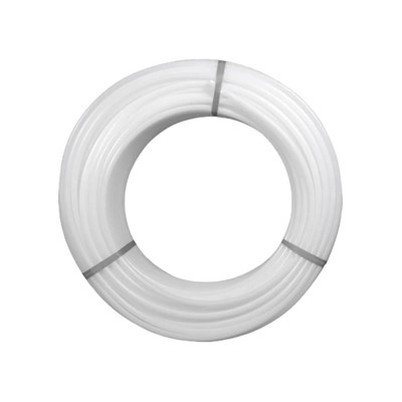
Can a 50mm PEX pipe be used for a vacuum system?
Leave a message

Hey there! As a supplier of 50mm PEX pipes, I often get asked whether these pipes can be used for a vacuum system. It's a valid question, and in this blog, I'm gonna break it down for you.
First off, let's talk a bit about what PEX pipes are. PEX, or cross - linked polyethylene, is a type of plastic pipe that has gained popularity in various plumbing applications. It's known for its flexibility, durability, and resistance to corrosion. You can check out more about PEX Pipe for Water Supply on our website.
When it comes to vacuum systems, there are a few key factors we need to consider. Vacuum systems work by creating a pressure difference, where the pressure inside the system is lower than the atmospheric pressure outside. This pressure difference is what allows the system to move fluids, gases, or even solids in some cases.
One of the main concerns with using a 50mm PEX pipe in a vacuum system is its ability to withstand the pressure differential. PEX pipes are typically designed for positive pressure applications, like water supply systems. In these systems, the pressure inside the pipe is higher than the outside pressure. But in a vacuum system, it's the opposite.


The strength of a PEX pipe depends on its cross - linking method. There are different types of PEX pipes, such as PE - Xa, PE - Xb, and PE - Xc. PE - Xa Pipe for Plumbing Pipe is known for its high degree of cross - linking, which gives it better mechanical properties compared to other types. However, even with a high - quality PEX pipe like PE - Xa, we need to be cautious when using it in a vacuum.
The vacuum rating of a pipe is crucial. Most PEX pipes are not specifically rated for vacuum applications. The lack of a vacuum rating means that we don't have a clear indication of how well the pipe will hold up under the negative pressure conditions of a vacuum system. If the pipe can't handle the pressure difference, it could collapse or develop leaks, which would obviously cause problems for the vacuum system.
Another aspect to consider is the temperature. Vacuum systems can operate at different temperatures, and PEX pipes have temperature limitations. At high temperatures, the pipe may become softer and less able to withstand the vacuum pressure. On the other hand, at very low temperatures, the pipe may become brittle and more prone to cracking.
Let's also talk about the fittings. In a vacuum system, proper sealing of the fittings is essential. PEX pipes usually come with specific fittings designed for positive pressure applications. When using these pipes in a vacuum system, we need to make sure that the fittings can maintain a tight seal under negative pressure. PPSU Tee is one type of fitting that you might consider, but again, its performance in a vacuum needs to be evaluated.
However, there are some scenarios where a 50mm PEX pipe might be used in a vacuum system. If the vacuum level is relatively low, and the temperature conditions are within the pipe's acceptable range, it could potentially work. For example, in a small - scale laboratory vacuum system where the pressure difference is not extreme, a well - installed 50mm PEX pipe might be a viable option.
Before making a decision, it's important to consult with an engineer or a professional who has experience with vacuum systems. They can help you assess the specific requirements of your system and determine whether a 50mm PEX pipe is suitable.
If you're thinking about using a 50mm PEX pipe in your project, whether it's a vacuum system or something else, we're here to help. We have a wide range of high - quality PEX pipes and can provide you with all the information you need. If you're interested in purchasing our products or have any questions, feel free to reach out to us for a procurement discussion. We'll work with you to find the best solution for your needs.
References
- General knowledge of PEX pipe properties and vacuum system requirements from industry - standard plumbing and engineering textbooks.