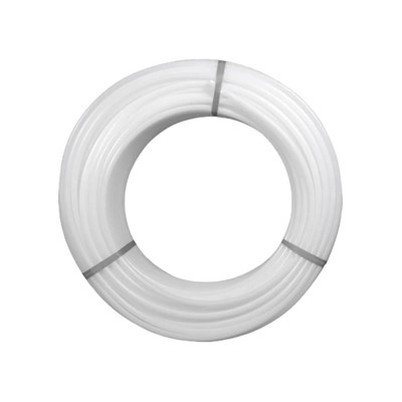
Can a 3 inch pex pipe be used in a septic system?
Leave a message

Hey there! As a supplier of 3-inch PEX pipes, I often get asked if these pipes can be used in a septic system. It's a great question, and in this blog, I'll break down all the details to help you understand whether a 3-inch PEX pipe is a good fit for your septic setup.
First off, let's talk about what a septic system is and how it works. A septic system is basically an underground wastewater treatment structure that's commonly used in rural areas where there's no access to a centralized sewer system. It consists of a septic tank and a drain field. The septic tank receives wastewater from your home, where solids settle to the bottom and form sludge, while lighter materials like grease and oil float to the top as scum. The partially treated effluent then flows out of the tank and into the drain field, where it's further filtered and treated by the soil.
Now, let's get into the nitty-gritty of using a 3-inch PEX pipe in a septic system. PEX, or cross-linked polyethylene, is a flexible plastic pipe that's become increasingly popular in plumbing applications over the past few decades. It's known for its durability, resistance to corrosion, and ease of installation. But when it comes to septic systems, there are a few factors to consider.
One of the main advantages of using a 3-inch PEX pipe in a septic system is its flexibility. Unlike rigid pipes like PVC or cast iron, PEX pipes can be bent and curved without the need for additional fittings. This makes installation a lot easier, especially in tight spaces or areas with uneven terrain. You can snake the pipe around obstacles and follow the contours of the ground without having to make a bunch of cuts and connections.


Another benefit of PEX pipes is their resistance to corrosion. Septic systems are constantly exposed to harsh chemicals and wastewater, which can cause traditional metal pipes to rust and deteriorate over time. PEX pipes, on the other hand, are made of plastic, which is highly resistant to corrosion. This means they'll last longer and require less maintenance than metal pipes, saving you time and money in the long run.
In addition to their flexibility and corrosion resistance, PEX pipes are also lightweight and easy to handle. This makes them a great choice for DIY septic system installations or for contractors who need to transport and install pipes on-site. You don't need any special tools or equipment to work with PEX pipes, and they can be cut and joined using simple hand tools.
However, there are also some potential drawbacks to using a 3-inch PEX pipe in a septic system. One of the main concerns is the pipe's ability to withstand the weight of the soil and the pressure of the wastewater. Septic systems are buried underground, and the soil can exert a significant amount of pressure on the pipes. If the pipe isn't strong enough, it could collapse or crack, leading to leaks and other problems.
Another issue is the pipe's compatibility with the chemicals and bacteria in the septic system. Septic systems rely on a delicate balance of bacteria to break down the organic matter in the wastewater. Some chemicals, such as bleach and drain cleaners, can kill these bacteria and disrupt the treatment process. PEX pipes are generally resistant to most chemicals, but it's still important to make sure they're compatible with the specific chemicals and bacteria in your septic system.
So, can a 3-inch PEX pipe be used in a septic system? The answer is yes, but it depends on a few factors. If you're installing a new septic system or replacing an existing one, it's important to consult with a professional septic system designer or installer. They can evaluate your specific needs and recommend the best type of pipe for your system.
If you're considering using a 3-inch PEX pipe in your septic system, here are a few tips to keep in mind:
- Choose the right type of PEX pipe: There are different types of PEX pipes available, each with its own set of properties and characteristics. Make sure you choose a PEX pipe that's specifically designed for use in septic systems and that meets the relevant industry standards.
- Use the right fittings: When installing a PEX pipe in a septic system, it's important to use the right type of fittings. Make sure the fittings are compatible with the PEX pipe and that they're designed to withstand the pressure and chemicals in the septic system.
- Follow the installation instructions: PEX pipes are relatively easy to install, but it's still important to follow the manufacturer's installation instructions carefully. Make sure you use the right tools and techniques, and that you don't over-tighten the fittings or damage the pipe.
- Maintain your septic system: Regular maintenance is essential for keeping your septic system working properly. Make sure you have your septic tank pumped regularly, and that you avoid flushing anything down the drain that could damage the system.
In conclusion, a 3-inch PEX pipe can be a great choice for a septic system, but it's important to do your research and make sure it's the right fit for your specific needs. If you have any questions or need more information, please don't hesitate to contact me. I'd be happy to help you choose the right PEX pipe for your septic system and answer any questions you may have.
If you're interested in learning more about our PEX pipes, check out our PPSU Tee, PEX Pipe for Floor Heating, and PE-Xa Pipe for Plumbing Pipe. We offer a wide range of high-quality PEX pipes and fittings at competitive prices.
If you're ready to start your septic system project or have any questions about our products, feel free to reach out to us for a quote or to discuss your requirements. We're here to help you make the best choice for your plumbing needs.
References
- "Septic System Basics." EPA, U.S. Environmental Protection Agency, 2023.
- "PEX Pipe: An Overview." Plumbing Manufacturers International, 2023.
- "Installation Guide for PEX Pipe in Septic Systems." XYZ Piping Company, 2023.