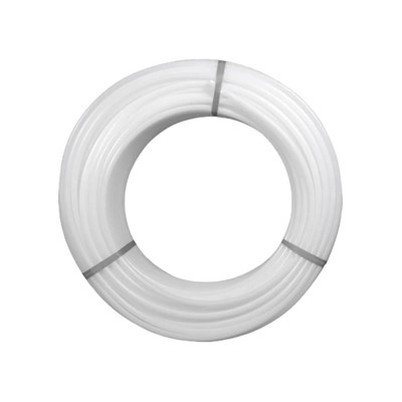
Can a 2 inch PEX pipe be used in a hydroponic system?
Leave a message

Can a 2 inch PEX pipe be used in a hydroponic system?
In the realm of hydroponic systems, the choice of pipes is a crucial decision that can significantly impact the efficiency and success of the entire setup. As a supplier of 2 - inch PEX pipes, I often get asked whether these pipes are suitable for hydroponic applications. In this blog, I'll delve into the technical aspects, advantages, and potential challenges of using 2 - inch PEX pipes in hydroponic systems.
Understanding PEX Pipes
PEX, or cross - linked polyethylene, is a type of plastic tubing that has gained popularity in various plumbing applications over the past few decades. It offers several benefits such as flexibility, resistance to corrosion, and ease of installation. There are different types of PEX pipes, including PE - Xa, PE - Xb, and PE - Xc, each with its own unique manufacturing process and properties. For more information on PEX pipes for water supply, you can visit PEX Pipe for Water Supply. And if you're specifically interested in PE - Xa pipes for plumbing, check out PE - Xa Pipe for Plumbing Pipe.
Advantages of Using 2 - inch PEX Pipes in Hydroponic Systems
1. High Flow Rate
One of the primary advantages of using a 2 - inch PEX pipe in a hydroponic system is its ability to handle a high flow rate of nutrient - rich water. Hydroponic systems rely on a continuous and adequate supply of water and nutrients to the plants' roots. A larger diameter pipe like the 2 - inch PEX can ensure that the water moves quickly and efficiently through the system, reducing the risk of blockages and ensuring that all plants receive an equal amount of nutrients.

2. Durability
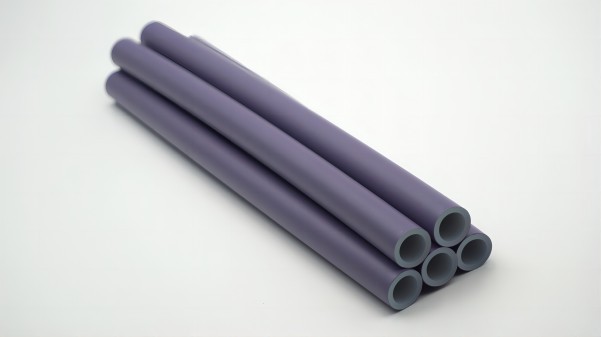
PEX pipes are known for their durability. They are resistant to corrosion, which is a significant concern in hydroponic systems where the nutrient solutions can be acidic or alkaline. Unlike metal pipes, PEX pipes won't rust or corrode over time, ensuring a long - lasting and reliable water delivery system for your hydroponic setup.
3. Flexibility
The flexibility of PEX pipes makes them easy to install in hydroponic systems. You can bend the 2 - inch PEX pipes around corners and obstacles without the need for complex fittings. This not only simplifies the installation process but also allows for a more customized layout of your hydroponic system. Additionally, the flexibility reduces the stress on the joints, minimizing the risk of leaks.
4. Cost - Effectiveness
When compared to other types of pipes, PEX pipes are generally more cost - effective. They are less expensive to purchase and install, which is beneficial for both small - scale and large - scale hydroponic operations. The lower cost doesn't compromise on quality, as PEX pipes offer excellent performance and durability.
Considerations and Potential Challenges
1. Initial Investment
While PEX pipes are cost - effective in the long run, the initial investment for 2 - inch PEX pipes and the necessary fittings can be relatively high. You may need to purchase specialized fittings such as elbows and tees to connect the pipes in your hydroponic system. For example, Ppsu Elbow 90° can be used to change the direction of the pipe, but these fittings add to the overall cost.
2. Space Requirements
The 2 - inch PEX pipes are relatively large in diameter, which means they require more space in your hydroponic setup. If you have a limited - space hydroponic system, the large pipes may not be the most practical choice. You need to ensure that you have enough room to accommodate the pipes without overcrowding the plants or other components of the system.
3. Temperature Sensitivity
PEX pipes can be sensitive to high temperatures. In hydroponic systems where the water may be heated to maintain an optimal temperature for plant growth, you need to ensure that the temperature doesn't exceed the recommended limits for PEX pipes. Prolonged exposure to high temperatures can cause the pipes to expand and potentially lead to leaks.
Installation and Maintenance
Proper installation and maintenance are key to the successful use of 2 - inch PEX pipes in a hydroponic system.
Installation
When installing the 2 - inch PEX pipes, make sure to use the appropriate fittings and tools. Follow the manufacturer's instructions carefully to ensure a secure and leak - free connection. It's also important to plan the layout of the pipes in advance to minimize the number of bends and joints, which can reduce the flow rate and increase the risk of blockages.
Maintenance
Regular maintenance of the PEX pipes is essential to ensure their long - term performance. Check the pipes for any signs of damage, such as cracks or leaks, on a regular basis. Clean the pipes periodically to prevent the buildup of algae, sediment, or other debris, which can affect the flow rate and the quality of the nutrient solution.
Conclusion
In conclusion, a 2 - inch PEX pipe can be a great choice for a hydroponic system, especially for larger setups that require a high flow rate of water and nutrients. The high flow rate, durability, flexibility, and cost - effectiveness of PEX pipes make them a competitive option in the market. However, you need to consider the initial investment, space requirements, and temperature sensitivity before making a decision.
If you're interested in using 2 - inch PEX pipes in your hydroponic system, I encourage you to contact me for more information and to discuss your specific needs. We can work together to find the best solution for your hydroponic setup, ensuring a successful and productive growing environment for your plants.
References
- "PEX Pipe Handbook" - A comprehensive guide on PEX pipes and their applications.
- "Hydroponic Systems: Design and Operation" - A book that covers various aspects of hydroponic system design, including pipe selection.
- Industry research reports on the use of PEX pipes in plumbing and hydroponic applications.