What are the signs of aging in PE - Xa/EVOH Pipe?
Leave a message

Hey there! As a supplier of PE-Xa/EVOH Pipe, I've spent a lot of time dealing with these pipes. One question that often pops up is about the signs of aging in PE-Xa/EVOH pipes. So, let's dig into it.
What is PE-Xa/EVOH Pipe Anyway?
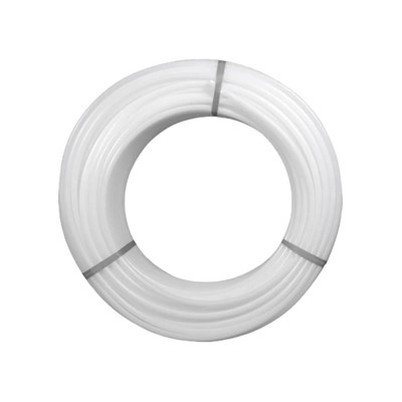
Before we talk about aging, let's quickly go over what PE-Xa/EVOH pipes are. PE-Xa stands for cross-linked polyethylene of type a, which is a super - strong and flexible plastic. The EVOH part is ethylene-vinyl alcohol copolymer, and it acts as a great oxygen barrier. This combination makes PE-Xa/EVOH pipes top - notch for plumbing and heating systems. They're durable, can handle high pressures, and are resistant to corrosion.
Physical Changes as a Sign of Aging
Discoloration
One of the first things you might notice on an aging PE-Xa/EVOH pipe is a change in color. These pipes usually come in nice, consistent colors like white or black. But over time, exposure to light, heat, and chemicals can cause them to turn yellowish or brown. This discoloration isn't just a cosmetic issue. It can be a sign that the pipe's molecular structure is starting to break down. For example, if the pipe is installed in an area where it gets a lot of sunlight, the UV rays can start to degrade the outer layers, leading to that color change.
Surface Roughness
Another tell - tale sign is the development of surface roughness. When you run your hand over a new PE-Xa/EVOH pipe, it's smooth as butter. But as it ages, you might start to feel a grainy or bumpy texture. This happens because the outer layer of the pipe is being worn away. It could be due to friction from the water flowing inside, or from contact with other materials in the installation. Surface roughness can increase the risk of leaks and can also affect the flow of water through the pipe.
Cracks and Fractures
Cracks and fractures are a big deal. They're the most obvious signs that a pipe is really starting to age. Small hairline cracks can form first, often in places where the pipe has been bent or under stress. These cracks can expand over time, especially if the pipe is exposed to pressure changes or temperature fluctuations. Eventually, a small crack can turn into a full - blown fracture, which means water can start leaking out. And trust me, a leaky pipe is never a good thing.
Performance Changes with Aging
Reduced Pressure Resistance
PE-Xa/EVOH pipes are designed to handle a certain amount of pressure. But as they age, their ability to withstand pressure goes down. This is because the cross - linking in the PE-Xa part starts to break down, and the overall structure of the pipe becomes weaker. You might notice that in your plumbing system, the water pressure seems to be dropping in certain areas. This could be a sign that the pipes are aging and can't handle the normal pressure as well as they used to.
Decreased Oxygen Barrier Efficiency
Remember the EVOH layer that acts as an oxygen barrier? Well, over time, its performance can decline. Oxygen can seep into the pipe, which can lead to problems like corrosion in the connected metal parts of the system, such as radiators or boilers. If you start to see rust or corrosion in these components, it could be a sign that the oxygen barrier in the PE-Xa/EVOH pipe is no longer working as effectively as it should.
Flow Restrictions
As pipes age, they can also develop flow restrictions. The surface roughness we talked about earlier can cause debris to stick to the inside of the pipe. Also, if there are cracks or fractures, the pipe might start to deform slightly, narrowing the passage for water. This can result in reduced water flow, which is really noticeable when you turn on the taps or use the shower. The water might come out slower than it used to.
Environmental Factors Affecting Aging
Temperature
Temperature plays a huge role in the aging of PE-Xa/EVOH pipes. Extreme heat can soften the pipe material, making it more prone to deformation and damage. On the other hand, very cold temperatures can make the pipe brittle. If the pipe is installed in an area where it's exposed to large temperature swings, it can age much faster. For example, in a building with an unheated attic, the pipes can be subject to freezing temperatures in the winter and high heat in the summer, which is really tough on them.
Chemical Exposure
Pipes can also be affected by the chemicals in the water they carry. If the water has a high concentration of certain chemicals, like chlorine or acids, it can react with the pipe material. Chlorine, for instance, can break down the cross - linking in the PE-Xa part of the pipe. This can lead to the physical and performance changes we've discussed earlier.
UV Exposure
If the pipes are installed outdoors or in areas where they're exposed to sunlight, UV rays can cause significant damage. UV radiation can break the chemical bonds in the pipe material, leading to discoloration, brittleness, and a reduced lifespan. That's why it's important to protect these pipes from direct sunlight if possible.
Preventive Measures and Maintenance
So, what can you do to slow down the aging process of PE-Xa/EVOH pipes? Well, proper installation is key. Make sure the pipes are installed in areas where they won't be exposed to extreme temperatures, chemicals, or UV rays. If they're going to be outdoors, use proper insulation and protective coatings.
Regular maintenance is also crucial. Inspect the pipes periodically for any signs of discoloration, cracks, or flow restrictions. If you notice any issues early on, you can take steps to fix them before they get worse. For example, if you see a small crack, you might be able to repair it with a suitable pipe repair kit.


Why Choose Our PE-Xa/EVOH Pipes?
At our supply, we take pride in offering high - quality PE-Xa/EVOH pipes. Our pipes are made with the latest technology and strict quality control measures. We use top - grade materials to ensure that they have a long lifespan and can withstand the rigors of different environments. We also provide detailed installation and maintenance guidelines to help you get the most out of our pipes.
If you're in the market for PE-Xa/EVOH pipes or have any questions about the aging process and how to deal with it, don't hesitate to reach out. We're here to help you make the best choices for your plumbing and heating systems. Whether you're a contractor working on a big project or a homeowner doing some DIY plumbing, our team can provide you with the right advice and products. Contact us today to start a conversation about your procurement needs.
References
- Smith, J. (2018). "Plastic Pipes in Plumbing Systems: A Comprehensive Guide". Publisher: PipeTech Press.
- Johnson, A. et al. (2020). "The Effects of Environmental Factors on Pipe Aging". Journal of Plumbing Research, Vol. 15, Issue 2.